
Machinery that keeps every stage moving.
Machine in focus
Induction Sealing Machine
Move from a real production requirement to the right machine category, product imagery, configuration details, and a direct conversation with our team.
Filling · Sealing · Capping · Labeling · Packaging
Explore machines by production stage.
Each category follows the same clear rhythm: a short introduction, one row of published machines, and a direct route into the full product line.
Sealing Machine
sealing machine
Inside the GoldSpear factory.
This factory section introduces the practical work behind a machine project: turning a packaging requirement into an inspectable equipment direction, then keeping the machine record clear through the next project step.
Production brief
Material, container, closure, process stage, and intended output define what the factory team needs to review before equipment work moves forward.
Machine build record
Machine imagery, model information, and available technical values stay together so the equipment direction remains visible and inspectable.
Project handover
Open configuration questions remain attached to the inquiry so they can be confirmed before the next project or delivery step.
Why buyers can navigate GoldSpear with confidence.
A machinery website should reduce uncertainty before the first conversation. We keep the path from application to machine and inquiry direct.
Application first
Start with what is being filled, sealed, capped, labeled, or packed, then move to the relevant equipment family.
Structured product detail
Categories, models, images, and technical information are presented in a consistent multilingual catalog.
A direct next step
Each route leads naturally to product details or an inquiry, without public pricing or invented promises.
Built around the way packaged products move.
Common packaging projects span liquids, viscous foods, home and personal care products, and connected production-line stages.
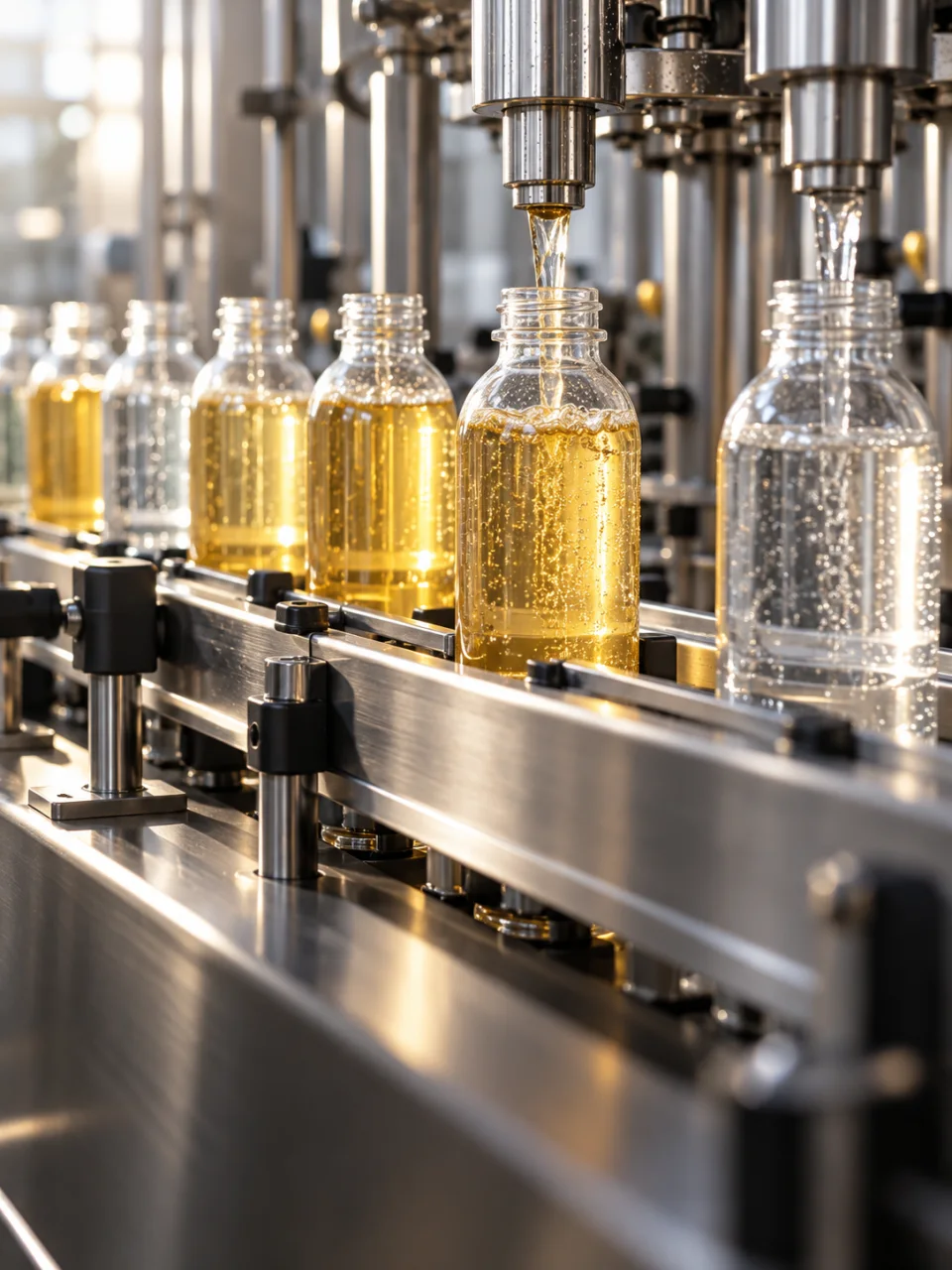
Beverages & liquids
Filling, capping, sealing, and labeling routes for free-flowing liquid products and their containers.
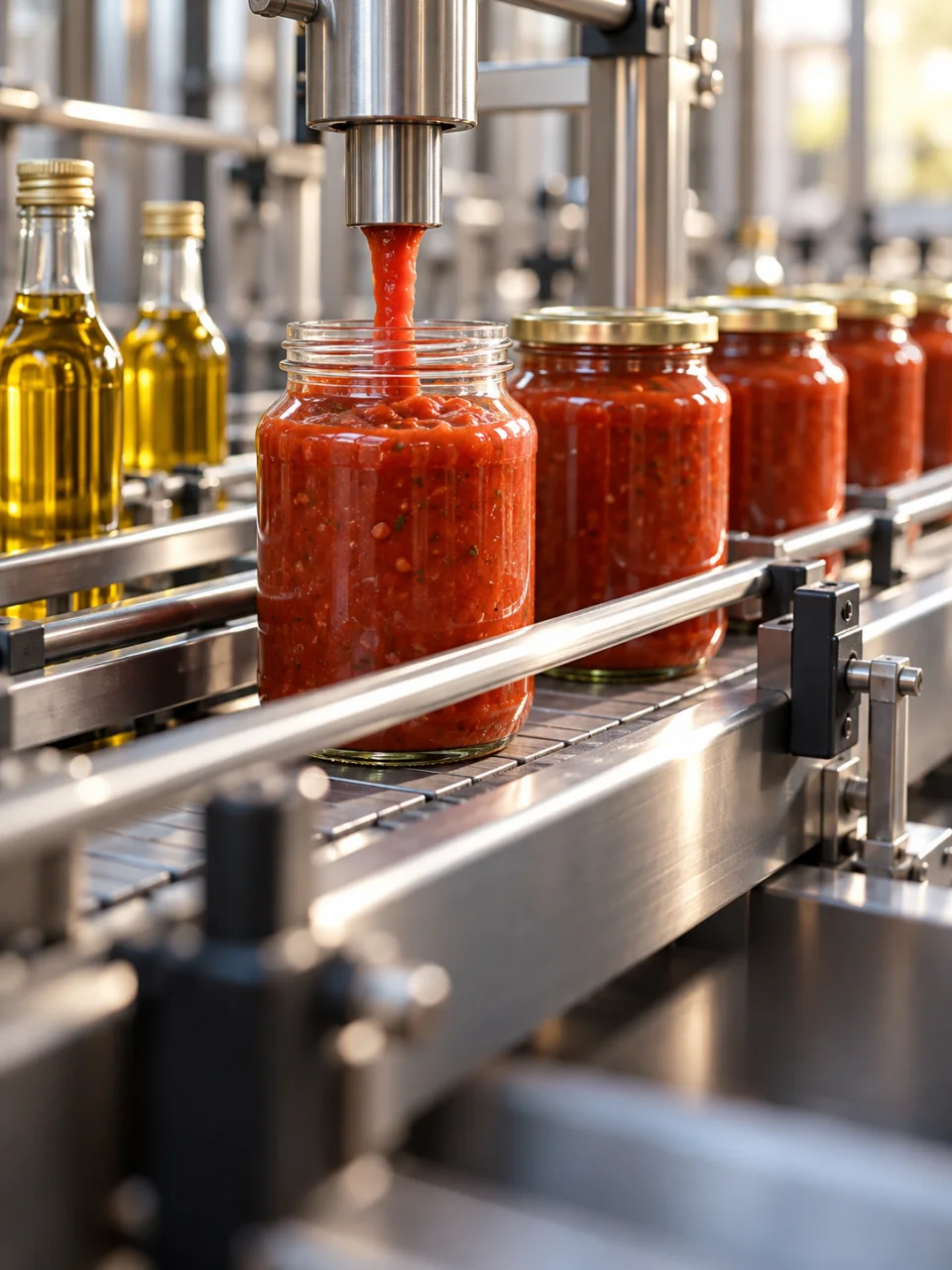
Sauces, oils & foods
Machine categories for products whose viscosity, particles, or container handling affect the filling process.
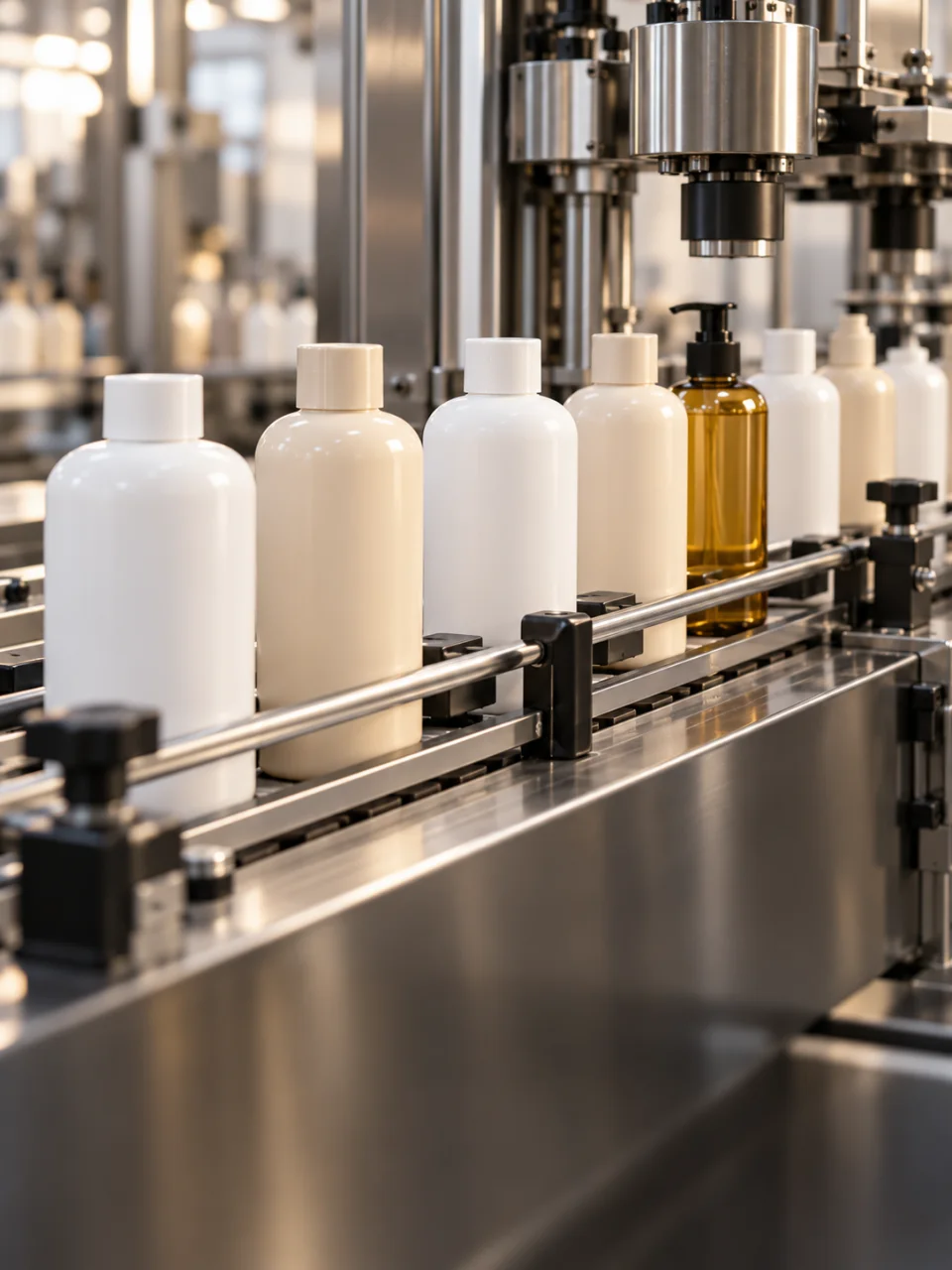
Home & personal care
Packaging stages for detergents, cleaners, shampoos, lotions, and related container formats.
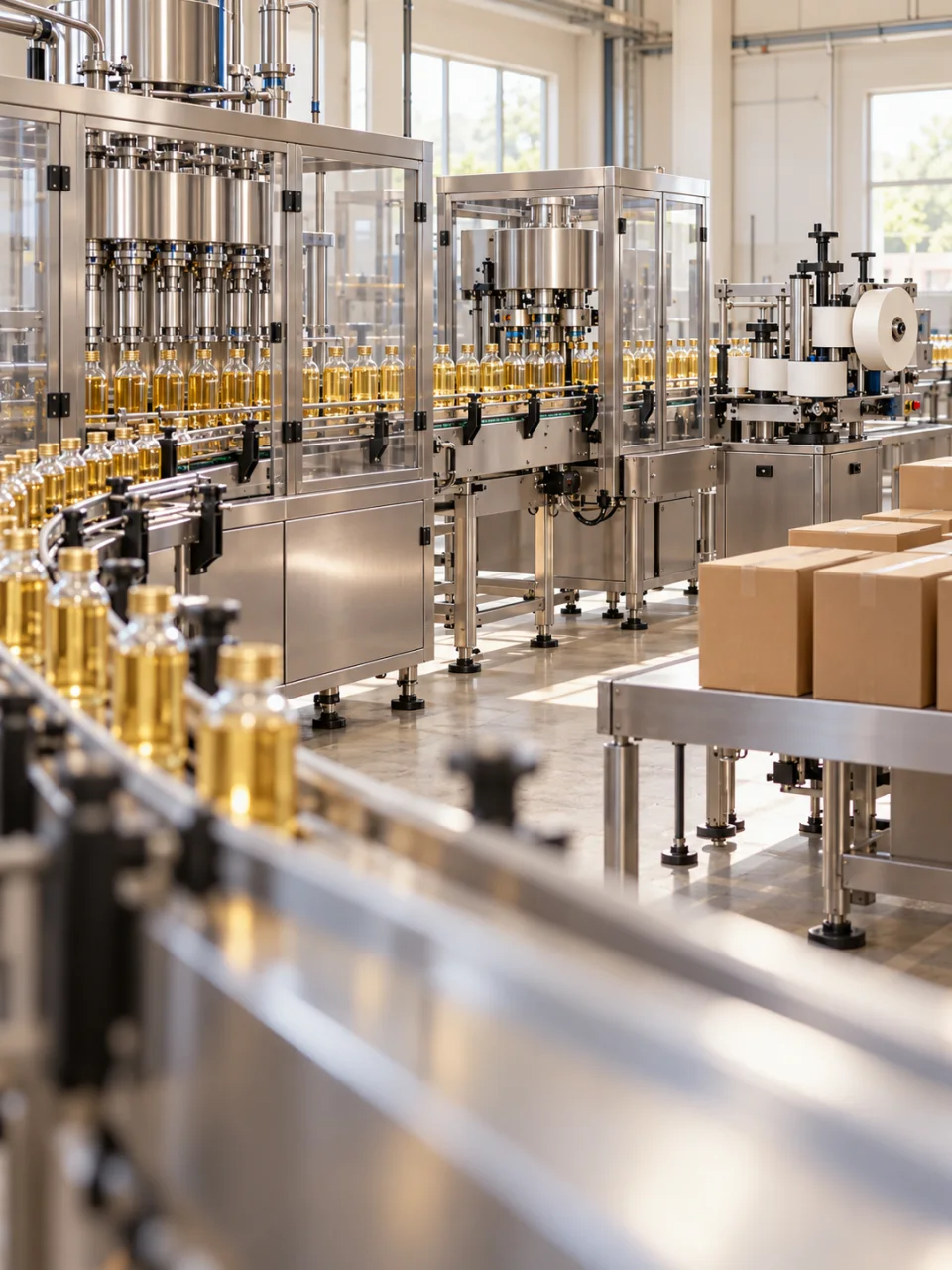
Connected packaging lines
Explore how individual filling, closing, labeling, and packing stages can be considered as one workflow.
Questions worth answering before a machine project starts.
Clear input at the beginning helps narrow the equipment direction and exposes the decisions that still need confirmation.
How do I choose the right filling machine?
Start with the product’s viscosity, density, tendency to foam, corrosiveness, target fill volume and accuracy. Then add the required output, container material, shape, opening and stability. These details determine which filling principle and handling method deserve evaluation.
What information should I provide for a machine recommendation?
Share representative product and container details, fill range, closure type, label or packaging format, expected output, available layout and utilities, and the upstream and downstream steps. Photos, drawings or samples make the discussion more precise.
Can one machine handle different products or containers?
It may be possible when the selected filling system, product-contact parts and container handling suit the required range. Change parts, cleaning needs and recipe adjustments must be reviewed against the actual formats before the configuration is confirmed.
Can the equipment connect to an existing packaging line?
Integration should be checked using conveyor height and direction, line speed, accumulation, controls, floor layout, utilities and the behavior of adjacent machines. Future expansion should be considered at the same time as the current line.
What should I plan for installation and maintenance?
Confirm the floor space, electrical and air supply, cleaning access, operating environment, changeover routine, spare parts, documentation and training scope in the written project record. Final requirements depend on the selected machine and application.
Tell us what you need to package.
Share the product, container, closure, and target process. We can use those details to begin a focused equipment conversation.